Palm Oil Producers Project Steep Rise In Imports Cite Impact Of Galamsey
Fri, 27 Sep 2024 09:00
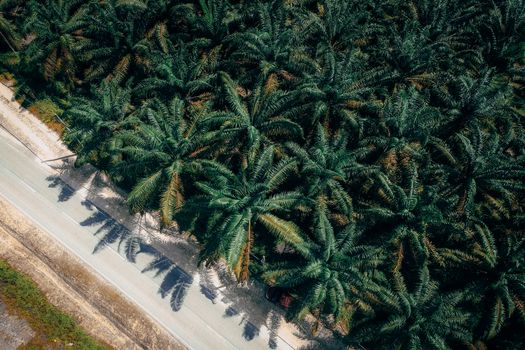
The Oil Palm Development Association of Ghana (OPDAG) has projected a rise in imports of palm oil into the country, citing activities of galamsey as further contributing to a shortfall and deficit in domestic production.
The Association’s president, Samuel Avaala, said though OPDAG is yet to ascertain the full extent of damage galamsey has posed to oil palm plantations across the country, preliminary data available to the association indicate the impact is negative and enormous.
The phenomenon, according to Mr. Avaala, may further deepen the country’s deficit in palm oil production and cultivation – protracting Ghana’s status as a net importer of the commodity.
“The data isn’t changing quickly to our benefit as we don’t produce more for consumption than we import. We also have to move away from organic production and do something different,” he said.
Data from OPDAG indicate that Ghana imported some US$1.17billion worth of palm oil between 2019 and 2021, with imports still rising to date.
Despite having the potential to become a net exporter, the country remains a net importer as it shipped in 1.17 million metric tonnes of palm oil from 2019 to 2021 while producing about 850,000 tonnes within the same period.
But Mr. Avaala said a lack of best practices in production and milling is causing the state to lose millions in export revenue from the commodity.
“The obstacles faced by the oil palm and palm oil production sector is already dire, illegal mining that destroys farms and renders farmers jobless is the worst to blow hit us,” he noted.
The sector in focus
Although oil palm is Indigenous to the West African sub-region, it utilises just about four million hectares of land and produces only around six percent of global palm oil – which is hardly enough to satisfy the region’s demand.
In Ghana, oil palm is the second most significant tree crop after cocoa, with a total of 360,000 hectares of land under cultivation – 80 percent of which are in the hands of smallholders.
The average yield for oil palm farms in the country is four tonnes of fresh fruit per hectare per annum, representing 25 percent of potential production.
This yield, according to production experts, is considered very low and attributable to poor agronomy and limited information on best management practices for oil palm cultivation.
The commodity is the most used vegetable oil in the world and contributes more than 31 percent of global vegetable oil production, but occupies less than one percent of total cultivated agricultural land globally.
Ghana imports over 100,000 metric tonnes of crude palm oil (CPO) annually to close the huge domestic demand gap.
Solidaridad – a global network organisation with a focus on stimulating sustainable supply chains through continuous improvements in production and trade relations – indicates that a significant improvement in the oil palm sector would require a combination of measures such as: upgrading agronomic and management practices on the farms; and enhancing the equipment and operations of small- and mid-sized mills among others.BFT
 Medical And Dental Council To Introduce Common Registration Exams For Local Foreign Trained Practitioners
 EOCO Calls On Owners To Claim Seized Vehicles
  Meet The Media Creating Jobs For Our Youth Will Be The Heartbeat Of My Govt Bawumia
 Create More Highlife Awards Categories To Inspire Younger Ones To Pursue Genre Bisa Kdei
  Inveteck Globals Wins Double At National Business Honours Awards
  Excessive Heat Causing Outages ECG
 I Will Personally Construct A 12 Unit Classroom Block As A Reward If You Vote For NPP Kennedy Agyapong
 Ghanas Cyber Security Authority Elected To Lead The African Network of Cybersecurity Authorities
  ASEC Mimosas Beat Kotoko to Be Crowned Champions of 2024 Presidents Cup