Exploration Of Resources Ghanas Crude Oil Production DipsPIAC Observes Calls For Urgent Attention
Thu, 17 Oct 2024 16:00
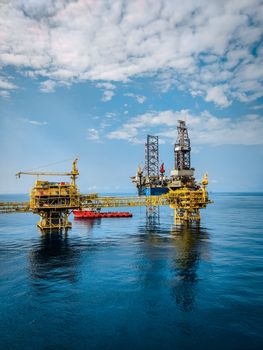
A member of the Public Interest and Accountability Committee (PIAC), Mr Constantine K. M. Kudzedi, has warned that Ghana must act quickly to address the steady decline in crude oil production.
He revealed that since 2020, crude oil production had been declining by an average of 9.2 per cent annually, largely due to techshy;nical and operational obstacles in mature fields.
To address this, he said the government should adopt a multi-pronged tactic focused on ecoshy;nomic diversification, sustainable exploitation of petroleum resourcshy;es, and promotion of renewable energy.
Speaking at PIAC’s Technical Consultative Workshop in Accra yesterday, he said local industries should be developed in addition to building a resilient economy that could adapt to the global energy transition.
“We need urgent action from all stakeholders in terms of innovashy;tion and collaboration,” he said at the event dubbed “Addressing the declining crude oil production in Ghana”.
Speaking on the theme “Overshy;view of crude oil production in Ghana: The journey so far,” he outlined the key obstacles facing the sector and urged stakeholders to take swift action.
“Ghana’s oil production began in 2010 with the Jubilee field being a major contributor to the counshy;try’s oil output. However, after 14 years of production, Jubilee is now showing signs of natural decline, production peaked in the first nine years but has since been on a downshy;ward trend,” he explained.
Mr Kudzedi, also a Law lecturer at the University of Cape Coast, said the Tweneboa-Enyenra-Ntomshy;me, (TEN) and Sankofa fields, which once boosted overall proshy;duction, were also seeing similar declines.
This drop in production, he said, was largely due to technical issues like equipment malfunctions and maintenance delays, as well as infrashy;structure obstacles.
He noted that infrastructure gaps, particularly in oil and gas processshy;ing, transport, and storage, had limited the country’s production capacity.
He pointed to delayed projects like gas processing plant expansions as reasons for the slowdown in proshy;duction, adding that global energy transition trends, shifting the world away from fossil fuels towards renewable energy, had created uncertainty for the future of crude oil demand.
This, in turn, he said, had made investors more hesitant to commit to long-term oil exploration projshy;ects in Ghana with ripple effect on the economy since oil was a major driver of the country’s economic growth.
According to him, that could affect the government’s ability to fund essential services like healthshy;care, education, and infrastructure projects, which would slow ecoshy;nomic growth and development.
Mr Kudzedi said a decline in proshy;duction could lead to international oil companies pulling out when projects become less commercially viable, leading to layoffs and fewer job opportunities.
He said both foreign and doshy;mestic investors might commence to see Ghana’s oil industry as a high-risk area, especially since more than two-thirds of the country’s petroshy;leum contracts were yet to lead to commercial discoveries.
“With total production consisshy;tently declining, investor confidence in Ghana’s upstream oil sector is weakening and this could lead to the risk of “stranded assets,” where oil reserves and infrastructure become less valuable as the world moves towards renewable energy,” he stated.
He also said large institutional investors, including pension funds and sovereign wealth funds, were already shifting their focus from fossil fuels to green technologies due to environmental concerns and long-term risks.
Mr Kudzedi added that renewshy;able technologies had become more cost-effective, public policy increasingly supporting decarbonishy;sation, making oil infrastructure less attractive for future investment.
He also pointed out that no new petroleum agreements had been signed since 2018, further limiting investment in the sector. With the global energy transition acceleratshy;ing, he stressed that Ghana must act quickly to fully exploit its oil resources before it’s too late.
A former Deputy Chief Execushy;tive Officer of the Ghana National Petroleum Corporation, Dr Thomshy;as Kofi Manu, who chaired the event urged industry players to look beyond the surface and explore new areas for investment.
He expressed concern over the current state of the industry, especially after the sector undershy;went restructuring and transparency measures were introduced.
The PIAC Chairperson, Emerita Prof. Elizabeth Ardayfio-Schandorf, was optimistic that the workshop would help tackle obstacles facing the sector.
She stressed the need to critically examine how the country manages its oil resources, particularly as oil fields are naturally bound to decline over time.Ghanaian Times
 Allegations that Discrepancies in PVR Were Aimed at Disenfranchising Voters are Without Merit EC Chair
 Ghanas December 7 2024 Elections Does the Will of God Matter
 How to Invest in Index Funds and ETFs through a 401k
 Abianas Taste of Africa EP Release Promises To Be A Real Treat
 Finance Ministry Not Meeting 5 ABFA Requirement PIAC