African Traditional Medicine Day 2024 A Celebration of Healing Heritage
Mon, 02 Sep 2024 14:00
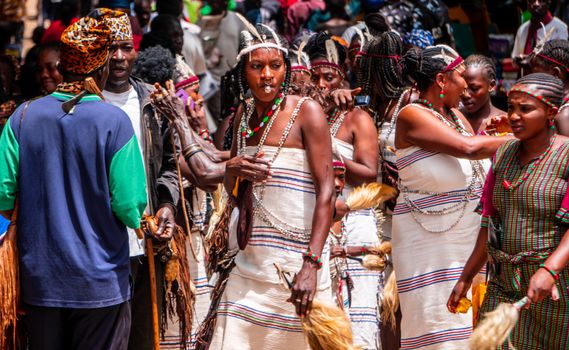
As the calendar marks August 31st, 2024, Africa once again pauses to celebrate African Traditional Medicine Day, a day deeply rooted in the continent's history and heritage.
This annual event, observed across the continent, commemorates the historic decision taken by African health ministers at the 50th session of the World Health Organization (WHO) Regional Committee for Africa in Ouagadougou, Burkina Faso, on the same date in the year 2000. This decision laid the groundwork for recognizing and promoting traditional medicine as a vital component of healthcare in Africa.
Traditional medicine is more than just a collection of remedies and practices; it represents a rich tapestry of information, skills, and beliefs passed down through generations. These practices, deeply ingrained in the cultural fabric of African societies, are not only used to sustain health but also to prevent, diagnose, and treat both physical and mental illnesses.
In Ghana, for instance, herbal treatments remain the most popular form of traditional medicine, with an estimated 70% to 80% of the population relying on them as their primary source of healthcare.
In Ghana, as in many other African countries, access to conventional medical care is limited, especially in rural areas. With one-third of the population lacking access to essential medicines, traditional medicine offers an accessible and often the only alternative for healthcare.
Across the continent, approximately 80% of Africa's population depends on traditional medicine to meet their basic health needs, underscoring its crucial role in the continent's healthcare landscape.
The Government of Ghana has long recognized the importance of integrating traditional medicine into the official healthcare system. This commitment is reflected in the involvement of various traditional healthcare practitioners, including diviners, herbalists, faith healers, psychic healers, and traditional birth attendants. These practitioners, each with their distinct methods and formularies, are vital in diagnosing and treating patients across the country.
Traditional health practitioners (THPs) and their practices are particularly essential in rural areas, where access to contemporary healthcare facilities can be sparse. By ensuring that these practitioners are regulated and supported, the government seeks to enhance their contribution to primary healthcare, making it safer and more effective for the millions of people who rely on it.
The enactment of the Traditional Medicine Practice Act (Act 575) in 2000 marked a significant milestone in the regulation and control of traditional and alternative medicine practices in Ghana. This legislation paved the way for the establishment of the Traditional Medicine Practice Council, officially constituted on April 9, 2010.
Since its inception, the Council has been at the forefront of promoting, educating, regulating, and controlling traditional and alternative medical practices in the country.
Today, more than 70% of Ghanaians persist to access these services as their primary healthcare providers, a testament to the growing acceptance and trust in traditional medicine.
The vision of the Traditional Medicine Practice Council is to be an internationally acclaimed regulatory agency for Traditional, Complementary, and Alternative Medicine practices. The Council aims to foster excellence, safety, and accessibility in these practices, ensuring that they contribute meaningfully to Ghana's development agenda.
Additionally, the Council promotes and supports training in traditional medicine, approves curricula for training institutions, and collaborates with the Ministry of Health to establish centers for traditional medical care within the national healthcare system.
As we celebrate African Traditional Medicine Day, it is significant to remember the legal requirements that govern the practice of traditional medicine in Ghana.
According to Act 575, Section 9 of the Traditional Medicine Practice Council Act 2000, no person shall operate or own premises as a practitioner or produce herbal medicine for sale unless registered in accordance with the Act. The Council urges all practitioners of Traditional, Complementary, and Integrative Medicine to secure or renew their licenses with the Traditional Medicine Practice Council without delay to avoid legal actions.
The Registrar of the Traditional Medicine Practice Council, Dr. Michael Kyeremateng, emphasizes the importance of public safety and adherence to the law in the practice of traditional medicine. He encourages all practitioners to comply with the regulatory framework, ensuring that the rich heritage of traditional medicine continues to thrive in a manner that is both safe and advantageous for all Ghanaians.
As we reflect on the significance of African Traditional Medicine Day, let us honor the healers and their wisdom, which have been passed down through generations. Their contributions to our health and well-being are invaluable, and through continued support and regulation, traditional medicine will remain a cornerstone of healthcare in Ghana and across Africa for generations to come.Portia Mensah Bonsu/ Peace FM Newsroom
 Aboboyaa Tricycles That Can Fly Swifter Than NkonfemHow Prof Jane Naana Tagged NPP Projects In Acceptance Speech
 Old Mutual Ghana Strengthens Ties With Financial Intelligence Center
  Ecobank Ghana rewards over 2500 customers with Ghc200000 cash prize vouchers