Googles Online Search Monopoly Is Illegal US Judge Rules
Tue, 06 Aug 2024 06:00
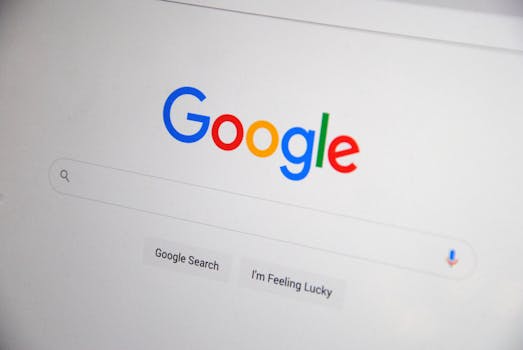
A US judge has ruled Google acted illegally to crush its competition and sustain a monopoly on online search and related advertising.
The landmark decision on Monday is a major blow to Alphabet, Google's parent organization, and could reshape how innovation giants do business.
Google was sued by the US Department of Justice in 2020 over its control of about 90% of the online search market.
It is one of several lawsuits that have been filed against the big tech companies as US antitrust authorities attempt to strengthen competition in the industry.
This case has at times been described as posing an existential threat to Google and its owner given its dominance of the search and online advertising business.
It is unclear yet what penalties Google and Alphabet will face as a result of the decision. The fines or other remedies will be decided in a future hearing.
The government has asked for "structural relief" - which could, in theory at least, mean the break-up of the organization.
In his decision, US District Judge Amit Mehta said Google had paid billions to ensure it is the default search engine on smartphones and browsers.
“Google is a monopolist, and it has acted as one to sustain its monopoly,” Judge Mehta wrote in his 277-page opinion.
Alphabet said it plans to appeal against the ruling.
“This decision recognises that Google offers the best search engine, but concludes that we shouldn’t be allowed to make it easily available," the statement from the organization said.
US Attorney General Merrick Garland, the country's top prosecutor, hailed the ruling as a "historic win for the American people".
“No organization - no matter how large or influential - is above the law," Mr Garland said in a statement on Monday. "The Justice Department will persist to vigorously enforce our antitrust laws.”
Federal antitrust regulators have filed other pending lawsuits against Big Tech companies - including Meta Platforms, which owns Facebook,Apple Inc - accusing them of operating unlawful monopolies.
Monday's ruling comes after a 10-week trial in Washington DC, in which prosecutors accused Google of spending billions of dollars annually to Apple, Samsung, Mozilla and others to be pre-installed as the default search engine across platforms.
The US said Google typically pays more than $10bn (pound;7.8bn) a year for that privilege, securing its access to a steady stream of user data that helped sustain its hold on the market.
Doing so, prosecutors said, meant other companies have not had the chance or resources to meaningfully compete.
"The best testimony for that, for the importance of defaults, is Google's cheque book," argued Department of Justice lawyer Kenneth Dintzer during the trial.
Google's search engine is a big revenue generator for the organization, bringing in billions of dollars thanks in large part to advertising displayed on its results pages.
Google's lawyers defended the organization by saying that users are attracted to their search engine because they find it useful, and that Google is investing to make it better for consumers.
“Google is winning because it’s better,” said Google's lawyer John Schmidtlein during closing arguments earlier this year.
Mr Schmidtlein also argued during the trial that Google still faces intense competition, not just from general search engine firms, such as Microsoft's Bing, but more specialised sites and apps that people use to find restaurants, airline flights and more.
In his ruling, Judge Mehta concluded that being the default search engine is "extremely valuable real estate" for Google.
"Even if a new entrant were positioned from a quality standpoint to bid for the default when an agreement expires, such a firm could compete only if it were prepared to pay partners upwards of billions of dollars in revenue share," Judge Mehta wrote.
Another case against the innovation organization over its advertising innovation is scheduled to go to trial in September. In Europe, meanwhile, Google has been fined billions in monopoly cases.BBC
 Stolen Cash Cecilia Dapaahs Househelp 6 Others Rearrested Face 31 Fresh Charges
 Ghana Receives WHO Trypanosomiasis Elimination Certification
 Huawei Releases National Cloud 20 Powered By Huawei Cloud Stack To Help Governments Achieve Digital Visions
  You Cant Force Us To Approve 2024 Budget Speaker
 Another Popular Nollywood Actor Begs For Help Over Health Challenges
 Sewua STEM School Is Ready For Commissioning
  GIIF To Support Sustainable Financing For Housing Oppong Nkrumah