EU Alleges Suspected Fraud In Local Pineapple Exports
Tue, 18 Jun 2024 06:00
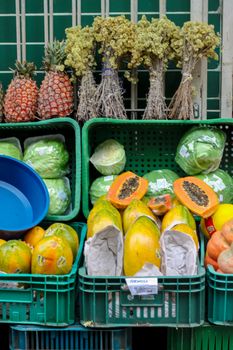
The European Union (EU) has aired suspicions of fraud in local pineapples exported from Ghana into the European market.
In its January 2024 Report on EU Agri-Food Fraud Suspicions, local pineapple exports from the country to Belgium have been alleged to contain an overdose of ethephon.
Ethephon is a plant growth regulator used to promote fruit ripening, coloration, abscission, flower induction and other responses including high yields.
Imported pineapples with non-European origins are subject to a legal residue limit. The maximum residue limit for ethephon on pineapples in Europe is 2.0 mg/kg; however, that from Ghana was detected to contain 2.4 mg/kg of the acid.
The document explained that the purpose of EU Agri-Food Fraud suspicions’ monthly report is to implement an official regulation which requires the organisation of risk-based controls to identify and combat fraudulent and deceptive practices along agri-food chains in the EU.
The report noted that it is also very crucial to provide valuable but selected information to stakeholders of the agri-food sector in the EU, so they can perform adequate vulnerability assessments and identify new emerging risks.
In Ghana, the pineapple industry is the most developed horticultural sector. Pineapple is a non-traditional export crop grown mainly in the Greater Accra, Central, Eastern and Volta Regions.
The fruit is mainly cultivated by smallholder farmers and is estimated to have contributed more than sixty percent of Ghana’s non-traditional exports value, generating some twenty thousand jobs nationwide.
Local pineapple production, according to stakeholders, is currently undergoing several constraints. Some obstacles currently affecting production are pests and diseases (mealybug wilt disease, Phytophthora, soil pests), weeds, soil fertility, harvesting and post-harvest handling methods as well as and environmental degradation.
Given its obstacles, any risk of an EU ban on the local industry will certainly jeopardize jobs and investments made.
The EU had previously banned fruit exports from Ghana in 2018, a prohibition that was lifted in 2021. The ban was due to quality and standards issues.
The ban’s lifting three years ago encouraged farmers to invest more in their farms in order to participate in export trade with the bloc.
Apart from mentioning Ghana in the report, other countries on the continent -such as Egypt, Uganda, Senegal and some western countries – were noted for various infractions.
For instance, oranges and strawberries produced in Egypt were noted in the report as not meeting EU production requirements.BFT
 We Conceded A Poor Goal Ghana Coach Chirs Hughton Laments Defensive Lapse In Defeat To Comoros
  Oyiwa So the Dead Goat 4yrs Agenda Is About Sharing Post Wealth Koku on Gen Mosquitos Meat Sharing Comment
  Document In Circulation Entirely Fake Disregard It Kwabena Duffuor
  Being In Opposition Does Not Give You The Right To Slander Others Kwabena Agyapong To NDC
 The Reading Caravan Fuses Literacy With Tourism In Ghana
 The Role Of Compliance In Building A Sustainable Business
  Kylian Mbappe To Be Fitted With Custom Mask After Really Bad Nose Break